
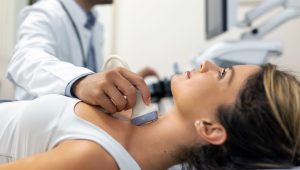
Modern medicine relies on ultrasound technology to provide precise pictures of the body’s interior architecture. Its non-invasiveness and real-time imaging make it essential for diagnosis and treatment. Ultrasound is essential throughout medical fields, as this article discusses its top five use case.
1. Diagnostic Imaging Care
Ultrasound technology’s non-invasive real-time visualisation of inside structures has transformed diagnostic imaging across medical professions. This capacity boosts diagnostic accuracy and enables fast condition evaluation. Images of organs, tissues, and blood flow help doctors make better judgments and customize treatment strategies. Real-time imaging improves medical intervention precision.
Ultrasound technology aids patient care by examining heart function, abdominal organs, and treatments. This versatile, non-invasive instrument is vital in contemporary medicine, providing significant information across a wide range of healthcare applications.
2. Enhancing Cardiovascular Diagnostics
Ultrasound—echocardiography—is crucial to heart health assessment in cardiology. Cardiologists can identify heart disease, congenital heart defects, and valve abnormalities using ultrasound waves to examine the heart’s chambers, valves, and blood flow. This non-invasive approach helps control and treat cardiovascular diseases by revealing heart function and structure.
3. Optimising Abdominal Assessments
Abdominal ultrasonography is essential for liver, kidney, pancreas, and gallbladder exams. Clear, real-time photos of liver, gallstone, and kidney stones assist in diagnosing them. Ultrasound is recommended for initial diagnostic and follow-up examinations because it can examine abdominal organs without intrusive treatments.
4. Advancing Musculoskeletal Imaging
Ultrasound images muscles, tendons, ligaments, and joints in orthopaedics. It is especially useful for assessing and treating musculoskeletal ailments, including rips, strains, and sprains. Real-time ultrasound imaging improves accuracy and lowers problems in injections and aspirations. This software aids treatment planning and recovery.
5. Facilitating Guided Medical Procedures
Ultrasound plays a crucial role in guiding various medical interventions, including biopsies and injections. By providing live imaging of the targeted area, ultrasound enables healthcare professionals to perform procedures with greater accuracy and safety. This capability is particularly valuable in performing fine-needle aspirations and administering localised treatments, ensuring optimal outcomes and minimising patient discomfort.
Why Ultrasound Remains Essential in Modern Medicine
The broad usage of ultrasonography in medical domains shows its relevance in modern healthcare. Its non-invasiveness and real-time, high-resolution pictures make it a flexible diagnostic and therapy tool. Ultrasound technology innovations in prenatal care and guided operations improve patient outcomes.
Ultrasound technology is essential to contemporary medicine because of its flexibility and efficacy. Knowing its top uses may help doctors make better judgments and improve patient care. Ultrasound is essential to medical practice, whether monitoring a pregnancy, identifying cardiac issues, or directing treatments.